
GEOTECHNICAL DESIGN
Geotechnical engineering draws on surveying (topographic characteristics of the terrain), engineering geology and hydrogeology (engineering properties of soils, rocks and groundwater), hydrology (surface water), soil and rock mechanics (analytical models of soil or rock mass–structure interaction), structural engineering, construction technologies in soil and rock masses, and monitoring of completed facilities. To a non-specialist, the applied properties of soil and rock masses, the analytical models and the technologies are full of conventions and uncertainties and depend strongly on local geological and topographic conditions. The assessment (interpretation) of the engineering properties of soils and rocks is usually based on a number of significantly varying (statistical) results from soil and rock samples, which calls for the use of the global database, accumulated local engineering experience and, most importantly, the expertise of the geotechnical engineer themselves.
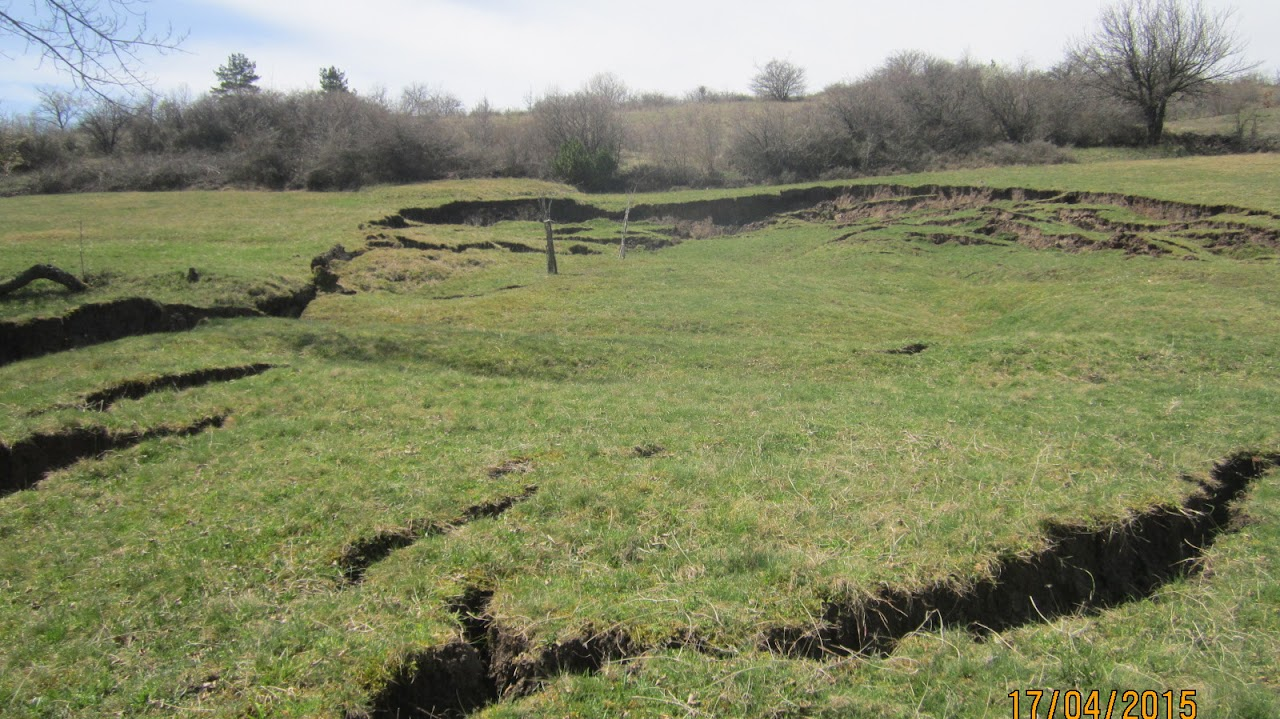
Where there are pronounced or potential geodynamic processes (earth and rock slides, rock collapses, rockfall, river erosion, marine abrasion, soil liquefaction under seismic actions, subsidence, swelling and shrinking, etc.), even greater geotechnical expertise is required. In many cases, due to insufficient investigation, the geotechnical engineer must call for additional studies or make changes to the design during construction (where technically feasible), which leads to amendments to construction contracts in exchange for greater confidence in the construction technology and design, reduced conservatism and better cost efficiency.
It falls to the geotechnical engineer — however challenging — to convince the other non-specialist engineers and the client of the technical and financial soundness of the proposed solution.
Our services include:
- Design of strengthening and restoration of sites with geodynamic processes (landslides, rock collapses, rockfall, river erosion, marine abrasion, subsidence, etc.);
- Assessment and measures to reduce the effects of construction of new buildings and facilities adjacent to existing ones;
- Design of temporary excavation shoring in urban environments for the construction of the underground part of buildings and facilities;
- Feasibility studies to assess the purchase of land and the feasibility of constructing buildings and facilities in complex engineering-geological conditions;
- Ground improvement projects to strengthen and/or upgrade the soil or rock subgrade for concrete or asphalt pavements, foundations for buildings and facilities, or earthworks structures;
- Design of foundations for buildings and facilities in complex engineering-geological conditions;
- Design of foundations under machinery subjected to dynamic loads;
- Deconvolution of design seismic actions to the foundation level of buildings and facilities;
- Assessment of the frequency-domain interaction between building structures and the subsoil under seismic actions, and derivation of frequency-independent springs and dampers for the foundations of buildings and facilities;
- Assessment of liquefaction potentials of water-saturated soils under seismic actions and design of remedial measures;
- Design of free-standing and anchored retaining structures: lightweight cantilever (L-shaped) reinforced-concrete walls, heavy gravity walls in mass concrete or masonry, reinforced earth embankments, gabion retaining walls, sheet pile walls, diaphragm walls, tangent and secant pile walls, and soil-nailed walls (with or without facings);
- Design of strengthening or reinforcement of foundation structures and retaining structures with deformations and damage;
- Geotechnical site investigation;
- Preparation of an engineering-geological site investigation programme;